The Israelites were camped in the Wilderness of Zin. It was a harsh desert, and once again, the people had no water. Tired, thirsty, and discouraged, they began to complain against Moses and Aaron. They accused them of bringing the nation out of Egypt only to die in the wilderness.
This was not the first time the people grumbled, and it would not be the last. Moses and Aaron, burdened and exhausted, turned to God for help. They went to the tabernacle, fell on their faces, and God’s glory appeared.
The Lord then gave Moses a simple command:
“Take the rod… speak to the rock before their eyes, and it will yield its water; thus you shall bring water for them out of the rock” (Numbers 20:8).
God’s plan was clear. Moses was to speak to the rock, and water would flow, a miracle that would once again remind Israel of God’s power and care.
But in his frustration, Moses did not follow God’s command exactly. Standing before the people, he cried out:
“Hear now, you rebels! Must we bring water for you out of this rock? ” (Numbers 20:10).
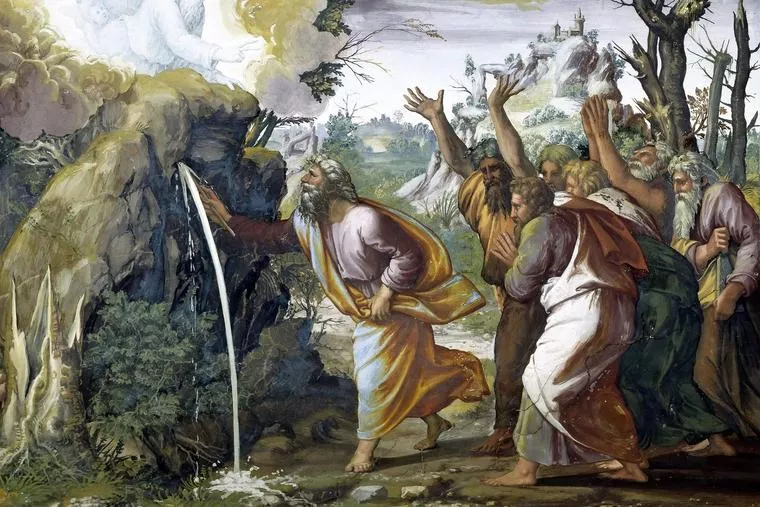
Then he struck the rock twice with his staff. Water gushed out, and the people drank. The immediate need was met, but Moses’ words carried a hidden problem.
Instead of speaking to the rock as God had instructed, Moses struck it in anger, and it is understandable that Moses is in frustration and the leadership pressure is on his shoulders. But in the next saying, instead of pointing the people to God, he spoke as though he and Aaron were the ones providing water. For this, the Lord rebuked him and said:
“Because you did not believe Me, to hallow Me in the eyes of the children of Israel, therefore you shall not bring this assembly into the land which I have given them” (Numbers 20:12).
After forty years of faithful service, Moses was told he would not enter Canaan.
At first glance, Moses’ mistake may seem small. But in reality, it was a serious offense. Here’s why:
As generations passed, the Israelites who had seen God’s glory at the Red Sea grew old, and many of them died along the way. A new generation arose, and they began to question their identity. They saw Moses and Aaron always leading them, which made them think that Moses and Aaron were the ones taking them to Canaan. So when Moses said, “Must we bring you water? ” It made Israel believe that Moses and Aaron were the ones performing the miracles and leading them, instead of God.
He took glory that belonged to God. By saying, “Must we bring you water…? ” Moses shifted the focus away from God’s power.
Ellen White explains it this way: “Moses smote the rock twice, saying, ‘Must we fetch you water out of this rock?’ Thus he took to himself the glory that belongs alone to God.” His action gave the impression that the miracles came from him, rather than from the Lord. — Manuscripts 69, 1912.
This story carries important lessons for us, whether we are leaders, workers, parents, or simply followers of Christ.
Always Give God the Glory: Whatever talents, successes, or opportunities we have come from God. When we take credit for His work, we dishonor Him. Like Moses, we risk making people think that human strength is the source of blessing, when it is God alone.
Guard Your Attitude: Moses acted out of frustration and anger. These emotions clouded his judgment and led him to disobey. Our attitude, especially in moments of stress, can either point people to God or push them away.
Leadership Brings Responsibility: Leaders are called to represent God before others. Parents to their children, pastors to their congregations, and Christians to the world—all are held accountable for how they reflect God’s character.
Even though Moses failed, God still gave the people water. This shows His incredible mercy. He blesses His people not because of our perfection but because of His love. Yet, He also holds His servants accountable, especially those who guide others.
The closing question from this story is personal: Are you glorifying God in your life?
When you succeed, do you point people to yourself or to God?
In moments of frustration, do you rely on your own strength, or do you follow God’s word?
Moses was one of the greatest leaders in Scripture, yet his mistake at Kadesh cost him entry into the Promised Land. His story is a reminder to us all: no matter how long we have walked with God, we must never stop trusting, obeying, and honoring Him.
The lesson is clear—obedience matters, glory belongs to God alone, and leaders must reflect His character faithfully. Let us take this story to heart. May our lives not point to ourselves, but to the God who provides living water for all who believe.