The Creation and God’s Delight
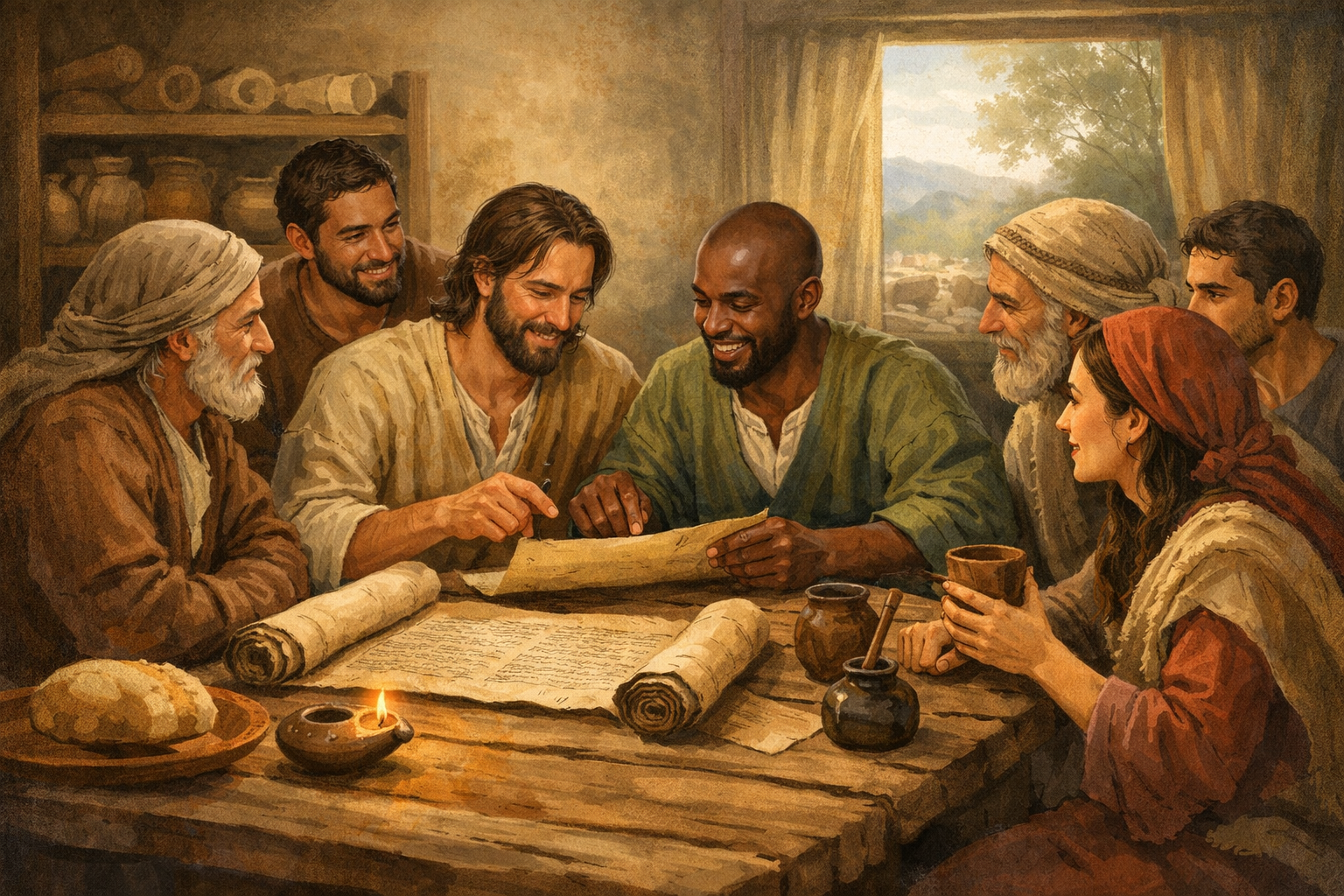
In the beginning, God created the heavens and the earth. The Bible records that after each day of creation, “God saw that it was good.” But when He created man on the sixth day, the Scripture adds something remarkable — “and God saw everything that He had made, and behold, it was very good” (Genesis 1:31). Humanity was not just another creature; man was the crowning work of creation, made in the image of God.
Ellen G. White beautifully writes, “Man was to bear God’s image, both in outward resemblance and in character. His nature was in harmony with the will of God. His mind was capable of comprehending divine things. Man was the crowning work of creation and was designed to be God’s representative on the earth.” — Patriarchs and Prophets, p. 45.
God’s joy in humanity was complete. He delighted in His creation, for man reflected His own character and was entrusted with stewardship over all the earth.
The Fall and the Decline of Humanity
However, the joy of creation soon turned to grief. The story of humanity’s fall is well known—from the innocence of Eden to the tragedy of sin. Adam and Eve disobeyed God and were driven out of the garden. The one who was created to rule now became a wanderer, toiling in sorrow and pain.
Yet even after the fall, God did not abandon them. He blessed Adam and Eve with children, but tragedy struck again when Cain, filled with jealousy, killed his brother Abel. From that moment, sin began to take deeper root in the human heart. Cain became a restless wanderer, a man without peace, without fear of God, and without reverence for Him.
Generation after generation, sin tightened its grip on the world. Humanity, once noble and pure, began to rebel more openly against the Creator. Satan used the very people God had made in His image to stand against Him. By the time of Genesis 4 and 5, the genealogy shows both the growth of population and the moral decline of humankind. Lamech introduced polygamy (Genesis 4:19), openly defying God’s order of creation. Cities were built and named after men instead of honoring God. People lived long lives—800 or 900 years—yet those years were not spent in devotion but in rebellion and self-glorification.
The Patience and Pain of God
Why did God allow people to live for centuries? It was not an accident. God, in His mercy, gave humanity long years—eight or nine centuries—hoping they would turn from their wicked ways and walk in obedience. But they failed. Instead of drawing closer to God, they drifted further away. Their hearts grew cold, their spiritual senses dull, and their knowledge of God faded into darkness.
The hope that God had in man only disappointed Him and made Him more and more unhappy.
After centuries of patience and mercy, God saw that “the wickedness of man was great in the earth” (Genesis 6:5). People lived as if God did not exist. And then we read one of the most sorrowful statements in all Scripture:
“The Lord was sorry that He had made man on the earth, and He was grieved in His heart” (Genesis 6:6).
Imagine the heart of God—the Creator who once rejoiced over His creation now weeping over its corruption. He was broken, upset, and deeply grieved that humanity, made for His glory, had turned completely away from Him.
Lessons from a Corrupt World
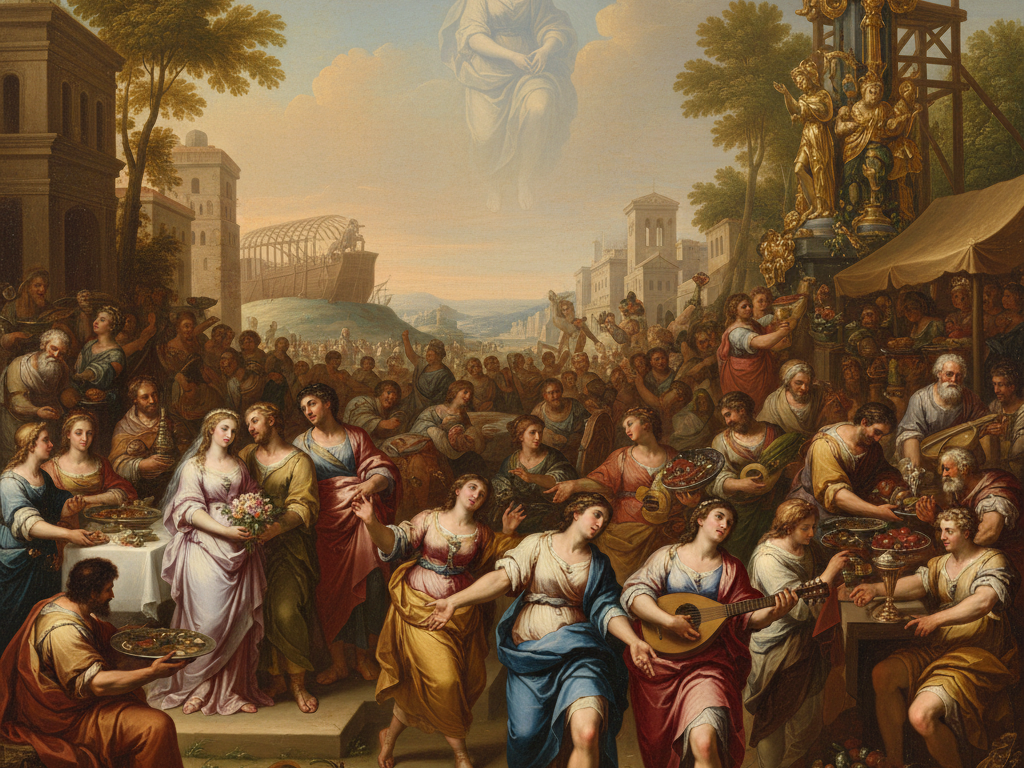
The world in Noah’s day was not evil because people married, ate, or worked—these were good things. What made them sinful was that they did these things without God. Their marriages, their families, their celebrations, and their ambitions were centered on self, not on the Creator. Life became an endless pursuit of pleasure and independence from God.
When we make choices—friendships, relationships, careers, or daily habits—without seeking God’s will, we repeat the same mistake. Even small decisions, if made outside of God’s guidance, can grieve His heart. We may not build idols of stone, but when we live for ourselves, we, too, make God sorrowful.
Because humanity failed to use the privilege of life for good, God declared that man’s lifespan would no longer extend for centuries. “My Spirit shall not strive with man forever… his days shall be one hundred and twenty years” (Genesis 6:3). The long patience of God was running out.
A Faithful Man in a Faithless Generation
Yet even in the midst of widespread corruption, one man found grace in the eyes of God—Noah. He stood apart from the world around him. His faithfulness shone as a light in a dark age. God called him to build an ark, for judgment was coming.
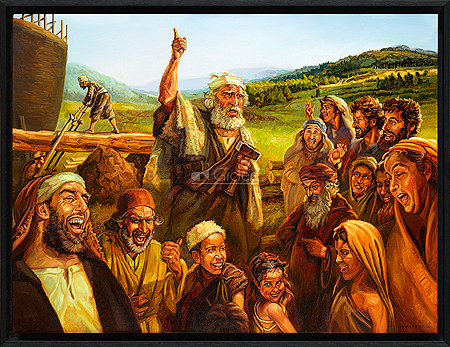
For 120 years, Noah preached righteousness, warning the people of the coming flood. Ellen White records, “For a hundred and twenty years the preacher of righteousness warned the world of the coming destruction, but his message was rejected and despised.” — Patriarchs and Prophets, p. 92.
The people laughed at him. They had never seen rain before; they were comfortable, wealthy, and self-satisfied. They had food, beauty, and abundance—everything they needed—and so they ignored God’s warning. When the animals entered the ark, and Noah’s family went inside, the rest of the world continued in its daily routine. Then the flood came, and only eight souls were saved.
Just Like Today
The story of Noah is not ancient history alone—it is a mirror of our times. Jesus Himself said,
“As it was in the days of Noah, so also will the coming of the Son of Man be” (Matthew 24:37).
In Noah’s day, people lived as if life would go on forever—eating, drinking, marrying, and celebrating—until the day the flood came. Today, humanity lives in the same spirit. The world is filled with knowledge, progress, entertainment, and self-indulgence, but little reverence for God. The moral decay, the spiritual indifference, and the pride of human achievement are clear signs that we are living in the last days, just like the days of Noah.
A Call to Readiness
Jesus warned that no one knows the day or hour of His return. The question, therefore, is not when He will come, but whether we are ready. If Christ were to come today, would He find faith in us? Would He find hearts surrendered to His will? Or would we, like the people of Noah’s time, be too busy with our own pleasures to hear His call?
God’s message today is the same as it was then: prepare your heart, walk with God, and live faithfully. We are called not just to believe, but to be like Noah—steadfast, obedient, and righteous in a generation that has forgotten God.
Let us not disappoint the heart of the Creator again. Let our lives bring joy to Him who once said, “It was very good.”
For soon, the heavens will open once more—not with rain, but with glory—and the Son of Man will come again.