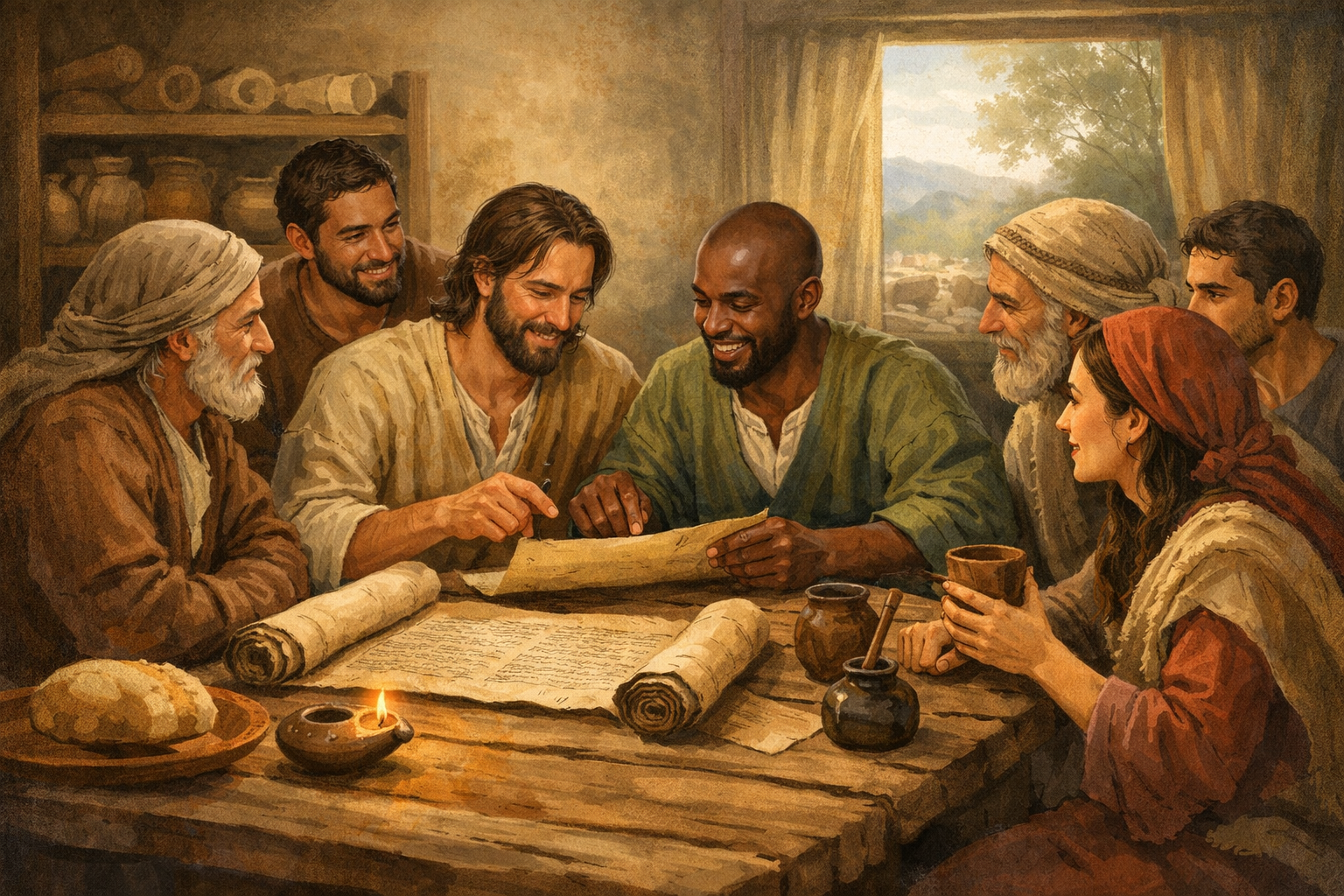

“Since His ascension, Christ the great Head of the church, has carried forward His work in the world by chosen ambassadors, through whom He speaks to the children of men, and ministers to their needs.” – Gospel Workers, p. 13
When Jesus ascended to heaven, He did not abandon His mission on earth. Instead, He entrusted it to His disciples—His ambassadors. These chosen ones continue His ministry, standing in His stead to invite the world to be reconciled to God. Every minister and believer who accepts this call carries a sacred responsibility: to speak and act on behalf of Christ.
The Meaning of Ambassadorship
In the political world, an ambassador represents his country in a foreign land. He speaks not for himself but for his nation and its leader. Similarly, Christians are citizens of heaven, though they dwell on earth. As Paul wrote, “Our citizenship is in heaven” (Phil. 3:20). This world is not our permanent home; we remain here because we have been given a divine mission—to reveal God’s character and invite others to His kingdom.
The disciple’s position is that of a bridge between God and humanity. Just as a diplomat connects two nations, the minister connects heaven and earth. Through preaching, teaching, and daily living, ministers and believers alike become visible representatives of an invisible kingdom. Their lives, words, and service must reflect the wisdom and grace of their Master.
The Church’s Commission
Jesus, the Head of the Church, has already sent forth His ambassadors. His final command was clear: “Go therefore and make disciples of all nations” (Matt. 28:19). This mission is not limited to preaching sermons. It involves teaching, nurturing, reconciling, and administrating the work of the gospel. Every true minister of Christ is both a preacher and a servant-leader, entrusted to build up the body of Christ.
The ministry, therefore, is not a human invention nor a mere profession. It is a vocation—a divine calling. Those called to labor in “word and doctrine” are appointed to serve with humility and courage, aware that their position is one of solemn responsibility. Their authority comes not from academic degrees or institutional titles but from the One who said, “As the Father has sent Me, so I send you” (John 20:21).
In Christ’s Stead
To serve “in Christ’s stead” means to stand where He stood—to love as He loved, to speak as He spoke, and to serve as He served. Ministers are not mediators between God and man, but they are entrusted with the ministry of reconciliation (2 Cor. 5:18–20). This sacred role can only be fulfilled through continual dependence on divine wisdom and power.
Christ’s present ministry in the heavenly sanctuary is one of intercession—pleading on behalf of humanity before the Father. On earth, His ambassadors reflect that same intercessory spirit. When they preach, counsel, and comfort, they become living extensions of Christ’s compassion. Their work is not to glorify themselves but to reveal the heart of God to a broken world.
Wisdom and Power from Above
To be an ambassador of Christ is to recognize one’s insufficiency. Without wisdom, direction, and spiritual power, even the most zealous servant will lose his way. The Word of God provides the direction—the map for ministry. The Spirit of God provides the power—the energy that drives the mission forward.
Without the Word, ministry loses truth. Without the Spirit, it loses life. Together, the Word and the Spirit form the essential foundation of every divine calling. The Word gives clarity and guidance; the Spirit gives vitality and conviction. Jesus Himself said, “True worshipers will worship the Father in spirit and in truth” (John 4:23). Likewise, true ministry must be rooted in both.
The Uniqueness of the Christian Vocation
Every person in the world may have a profession or occupation, but the Christian calling is more than a job—it is a sacred trust. Other vocations may focus on skill or ambition; the vocation of a disciple is grounded in divine purpose. It is holistic, involving mind, heart, and spirit. Its foundation is the Word of God, and its strength is the presence of the Holy Spirit.
A minister who relies only on personal ability or worldly strategy will eventually lose direction, like a driver with a full tank but no map. But the one who seeks wisdom from Scripture and power from the Spirit moves forward with confidence, knowing that the Lord Himself leads the way.
A Personal Reflection
Each believer must ask: Am I truly standing on the Word of God? Is my life led by the Holy Spirit? Only then can we say, “I have been called.” A divine calling is not defined by a title or position but by a life wholly surrendered to God’s will. The true ambassador of Christ is one whose convictions, character, and conduct all testify, “I am sent by the Lord.”
When we are sure of this calling—when we know that our citizenship is in heaven, our message is rooted in Scripture, and our strength comes from the Spirit—we can face the world with unwavering confidence. Our mission becomes clear: to represent Christ faithfully until He returns.
Conclusion
Christ continues His work through His chosen ambassadors—men and women who speak His Word and embody His love. To be one of them is both a privilege and a profound responsibility. The call to ministry is not an earthly career but a heavenly commission. It is a call to live in Christ, to labor for Christ, and to speak as Christ—until every heart hears the message: “Be reconciled to God.”