In Christianity, one of God’s radical methods to evangelize the world is through discipleship. Discipleship is more than a thought, program, or group of followers; it is a practice passed down through history. God’s constant interventions in human lives reveal His desire to disciple people into better beings. His engagement with humanity has shaped individuals in many ways. This highlights the importance and necessity of discipleship in fulfilling God’s mission. Through this ongoing process, lives are transformed and prepared for His service.
Why discipleship
Before understanding what a disciple or discipleship is, it is essential to recognize why it is necessary and important. Throughout history, God has chosen His people to fulfill His purpose of reaching the world, and for them to be effective in this mission, they must first be equipped to obey His will and carry out His call. This transformation can only occur through proper guidance and training, as it is not something that happens automatically. Just as “genes” are passed from one generation to the next, discipleship is similarly passed along.[1] Discipleship is a deliberate process that moves from one believer to another through relationships and mentorship. Without this relational aspect, the core message of discipleship would be lost, as discipleship is not just about following rules but about transforming lives.
Since the time of the Old Testament, the practice of discipleship has been passed down through generations. The practice of discipleship has been passed down from the early “Hebrew” period, through “Greek” philosophy and the “Greco-Roman” world, continuing from Jesus’ time to the present, adapting across cultures and eras, and shaping spiritual growth throughout history.[2] From Jesus’ time to the present day, this tradition has remained pivotal in fulfilling God’s plan to reach the world. Discipleship is not just about accomplishing God’s work, but it also plays a crucial role in the transformation of the follower. It is through this process that individuals are shaped to lead others and to make disciples of Christ, continuing the mission He set in motion.
What is discipleship
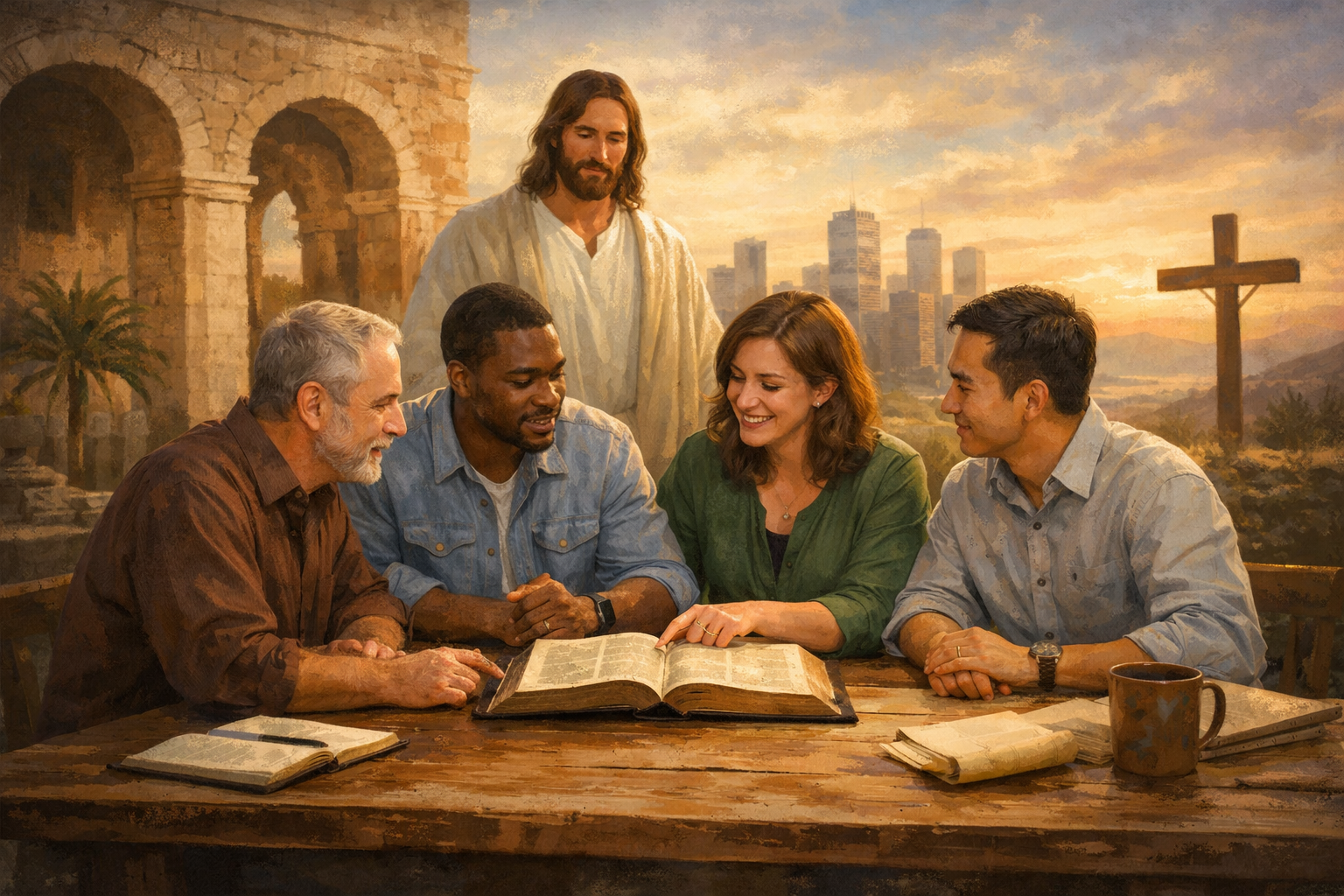
Discipleship involves an ongoing process of transformation. As stated by Hull, a disciple is “a reborn follower of Jesus,” while “discipleship means the state of being a disciple.” [3] A disciple is someone who encounters Christ personally, accepts His call, and is willing to be trained and transformed into the image of Christ through the process of discipleship. This transformation occurs when a disciple learns under the guidance of the master in close association. Jesus discipled the twelve by living with them, and His constant association allowed the disciples to observe, learn, and be trained in His ways. Thus, we understand that “discipleship is fundamentally a relational process.” [4]
Through “internal association” with Christ, the disciples were equipped to go into the world and make other disciples, standing firm even unto death. This transformation happened because “Jesus in a relational setting served as the basis to shape the disciples’ character and instill Jesus’ mission in them.” [5] Discipleship, therefore, is more relational than program-oriented. It is not about mere instruction or following rules but about being shaped through a close, personal relationship with the master, which enables the disciple to grow in faith and carry out Christ’s mission in the world. Thus, we can understand that discipleship is more likely a relational process than a program-oriented one.
Thus, we can say, discipleship is God’s chosen way to transform lives and fulfill His mission in the world. It is more than a program or system—it is a lifelong, relational process where believers are shaped to reflect Christ and to lead others to Him. From the Old Testament to the time of Jesus and beyond, discipleship has remained central to God’s work among His people. Through intentional guidance, mentorship, and close relationships, disciples are trained to obey God’s will and carry forward His purpose. True discipleship focuses not only on doing God’s work but also on becoming like Christ through daily transformation. As Jesus modeled with His followers, discipleship involves living, learning, and growing together. It is through this ongoing, relational journey that believers are equipped to make more disciples, ensuring that God’s mission continues from generation to generation.
References
[1] Philip R Meadows, “The-DNA-of-Discipleship” (Published by Inspire Movement, International, 2021).
[2] Bill Hull, The Complete Book of Discipleship: On Being and Making Followers of Christ (Colorado Springs, CO: NavPress Publishing Group, 2014).
[3] Hull, The Complete Book of Discipleship, 32, 35.
[4] Greg Ogden, Transforming Discipleship: Making Disciples a Few at a Time, Revised and Expanded Edition. (Downers Grove: InterVarsity Press, 2016), 68.
[5] Ogden, Transforming Discipleship, 79.