
Napoleon once said, “A good leader can make a success of a weak business plan, but a bad leader can ruin even the best plan.” At first glance, this may seem like a statement about strategy and management, but when we pause and reflect through a spiritual lens, it points us to the ultimate example of leadership—Jesus Christ. He came to this world with a divine plan for redemption, yet He led with humility, wisdom, and love, shaping the hearts of His disciples and guiding humanity toward God’s kingdom.
Christ’s leadership reminds us that effectiveness does not rest solely on the plan itself, but on the leader who carries it out. In ministry, as in life, a leader must first understand those they serve. Jesus modeled this in every interaction. He listened to the questions of the disciples (Mark 4:33-34), understood the needs of the crowd (Matthew 9:36), and even discerned the intentions of His opponents (Luke 20:20-26). A leader who listens is able to respond wisely, not impulsively. This ability to listen and understand forms the foundation of service, allowing the leader to guide with insight rather than assumption.
Another crucial aspect of godly leadership is humility—the willingness to recognize one’s own potential errors and seek correction. Proverbs 11:14 reminds us, “Where there is no guidance, a people falls, but in an abundance of counselors there is safety.” Opening oneself to advice, feedback, and even the possibility of mistakes equips a leader to make wise decisions for the good of the community. In ministry, this could mean acknowledging that a program or strategy may not be working as intended and adjusting it to meet the needs of the congregation more effectively.
Respect is also essential in leadership. Jesus treated every person with dignity, regardless of social status (Matthew 22:39). Similarly, a leader in ministry must cultivate a culture of respect—both giving and receiving it. This principle fosters trust, strengthens relationships, and encourages active participation from all members. Allowing church members to be involved in problem-solving not only empowers them but also facilitates discipleship, as everyone becomes an active participant in the mission of the church.
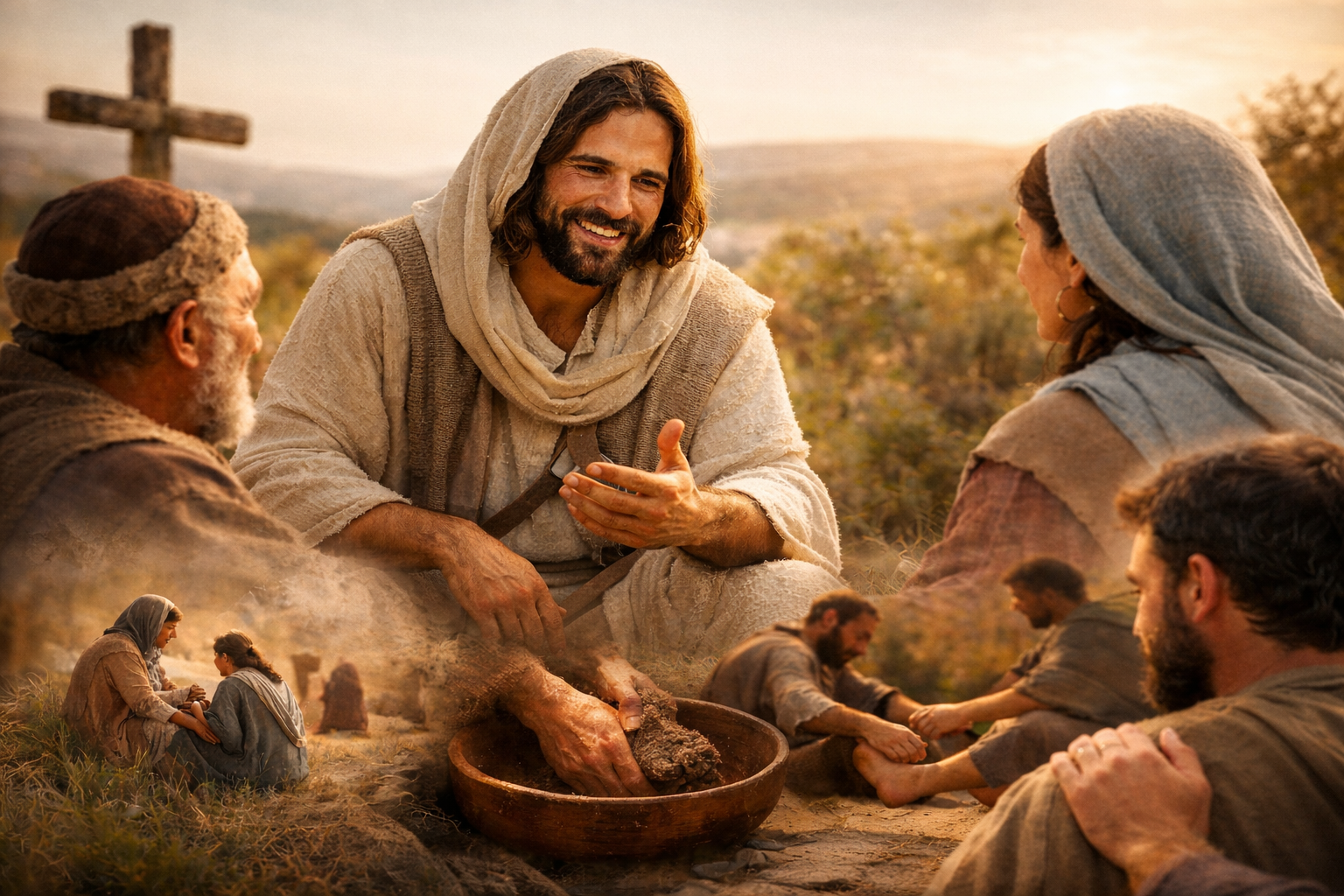
Practical ministry teaches us that leadership effectiveness often lies in simplicity and relational closeness rather than grand, impersonal programs. Jesus frequently taught in small groups, whether it was His intimate moments with the twelve disciples or His gatherings on the hillsides (Luke 10:1-2). Small groups allow leaders to communicate directly with the base-level worker—the everyday participant in ministry—ensuring that no one is overlooked and everyone can contribute meaningfully. In these settings, goals that may seem unreachable in large-scale plans can be achieved because the work is shared and the members are engaged. Small groups become not only a method of ministry but a strategy for making disciples, strengthening faith, and building a sense of community.
A listening, humble, and respectful leader also recognizes the unique qualities and gifts of those they serve. Just as Jesus adapted His teaching to the understanding and needs of His audience, ministry leaders must discern how to guide their congregations effectively (1 Corinthians 12:4-7). By understanding the spiritual, emotional, and practical strengths and challenges of each individual, leaders can mold collective effort into meaningful impact. In doing so, leadership becomes less about authority and more about stewardship—nurturing God-given potential in every member.
The insights drawn from Christ’s example are not merely theoretical; they provide practical wisdom for personal growth and ministry alike. Every believer is called to lead in some capacity—whether in the home, workplace, or church. Being intentional about listening, fostering respect, involving others in problem-solving, and investing in small-group ministries can transform both individuals and communities. When leadership reflects Christ, the plans, no matter how modest or grand, become vessels for God’s glory.
Ultimately, leadership in Christ’s model is relational, humble, and participatory. It is about guiding others toward God’s purposes, nurturing their gifts, and walking alongside them in faith. A good leader does more than implement a plan—they cultivate life, character, and discipleship. As Jesus exemplified, leadership is not about control or grandeur but about love, service, and wisdom.
“Whoever wants to become great among you must be your servant, and whoever wants to be first must be your slave—just as the Son of Man did not come to be served, but to serve” (Matthew 20:26-28).
May every leader, in ministry and beyond, reflect Christ in their guidance, listening, and service, knowing that in doing so, even the humblest plans can yield eternal impact.