
Why Nipah Virus Is in Global Focus
Nipah virus (NiV) is a deadly infectious disease that has recently drawn global attention due to new reported cases in India. The World Health Organization (WHO) has issued alerts, warning countries to stay vigilant because of the virus’s high fatality rate and ability to spread between humans.
Although Nipah outbreaks are rare, their severity makes them a serious public-health concern.
What Is Nipah Virus?
Nipah virus is a zoonotic virus, which means it can spread:
- From animals to humans
- From humans to humans
- Through contaminated food
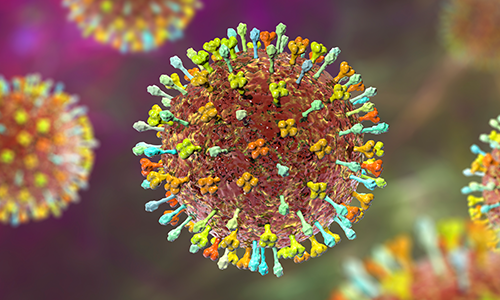
The virus belongs to the Henipavirus genus and is known to cause severe respiratory illness and brain inflammation (encephalitis).
Natural Hosts: Where Does Nipah Virus Come From?
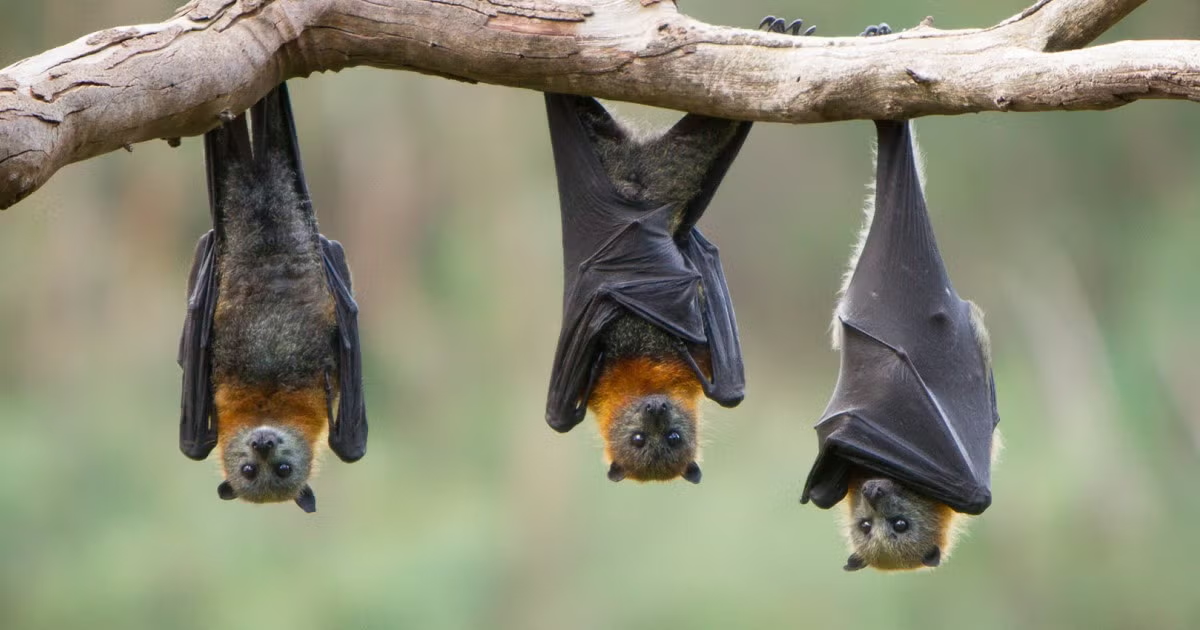
The natural hosts of the Nipah virus are fruit bats (also called flying foxes). These bats can carry the virus without becoming sick.
Humans can get infected when they:
- Consume food contaminated by bat saliva or urine
- Come into contact with infected animals
- Have close contact with infected humans
History of Nipah Virus Outbreaks
1999 – Malaysia & Singapore
The first recorded outbreak occurred among pig farmers. The virus spread from bats to pigs and then to humans.
Bangladesh
Since the early 2000s, sporadic outbreaks have been reported almost every year. Human-to-human transmission was clearly documented here.
India
- 2018 onwards: Outbreaks reported in Kerala
- Recent reports: New cases identified in eastern India, prompting increased surveillance and quarantine measures
Health authorities continue to investigate the source and transmission patterns.
How Does Nipah Virus Spread?
Nipah virus can spread through:
- Direct contact with infected bats or animals
- Eating food contaminated by bats (such as raw date palm sap)
- Human-to-human transmission via:
- Body fluids (saliva, blood, urine)
- Close physical contact
- Caring for infected patients (especially in healthcare settings)
Human-to-human transmission has been commonly reported in India and Bangladesh.
Current Situation & Preventive Measures
Due to recent cases:
- Health authorities have quarantined close contacts
- Airport health screenings have been increased in several Asian countries
- Surveillance systems are on high alert to prevent wider spread
Public cooperation plays a key role in containment.
Symptoms of Nipah Virus Infection
Incubation Period
Symptoms usually appear 4–14 days after exposure
Early Symptoms
- Fever
- Headache
- Cough
- Sore throat
- Vomiting
- Difficulty breathing
Severe Symptoms
- Disorientation and confusion
- Drowsiness
- Seizures
- Encephalitis (brain inflammation)
- Coma in severe cases
Treatment and Medical Response
Currently, there is no specific antiviral treatment or approved vaccine for Nipah virus.
Treatment mainly focuses on:
- Supportive care
- Managing symptoms
- Intensive care for severe cases
Some experimental treatments have shown promise in animal studies, and research on vaccines and therapies is ongoing.
How to Protect Yourself from Nipah Virus
You can reduce risk by following these precautions:
- Avoid contact with bats and sick animals
- Do not consume raw or partially fermented date palm sap
- Practice good hand hygiene
- Wear masks in high-risk areas
- Avoid close contact with infected individuals
- Seek medical help immediately if symptoms appear
Early detection and isolation can save lives.
Stay Alert, Not Afraid
While Nipah virus is serious, awareness, early action, and responsible behavior are the strongest tools to prevent its spread. Health authorities worldwide are monitoring the situation closely, and medical research continues toward effective vaccines and treatments.
Staying informed and cautious helps protect not only yourself—but the community as a whole.