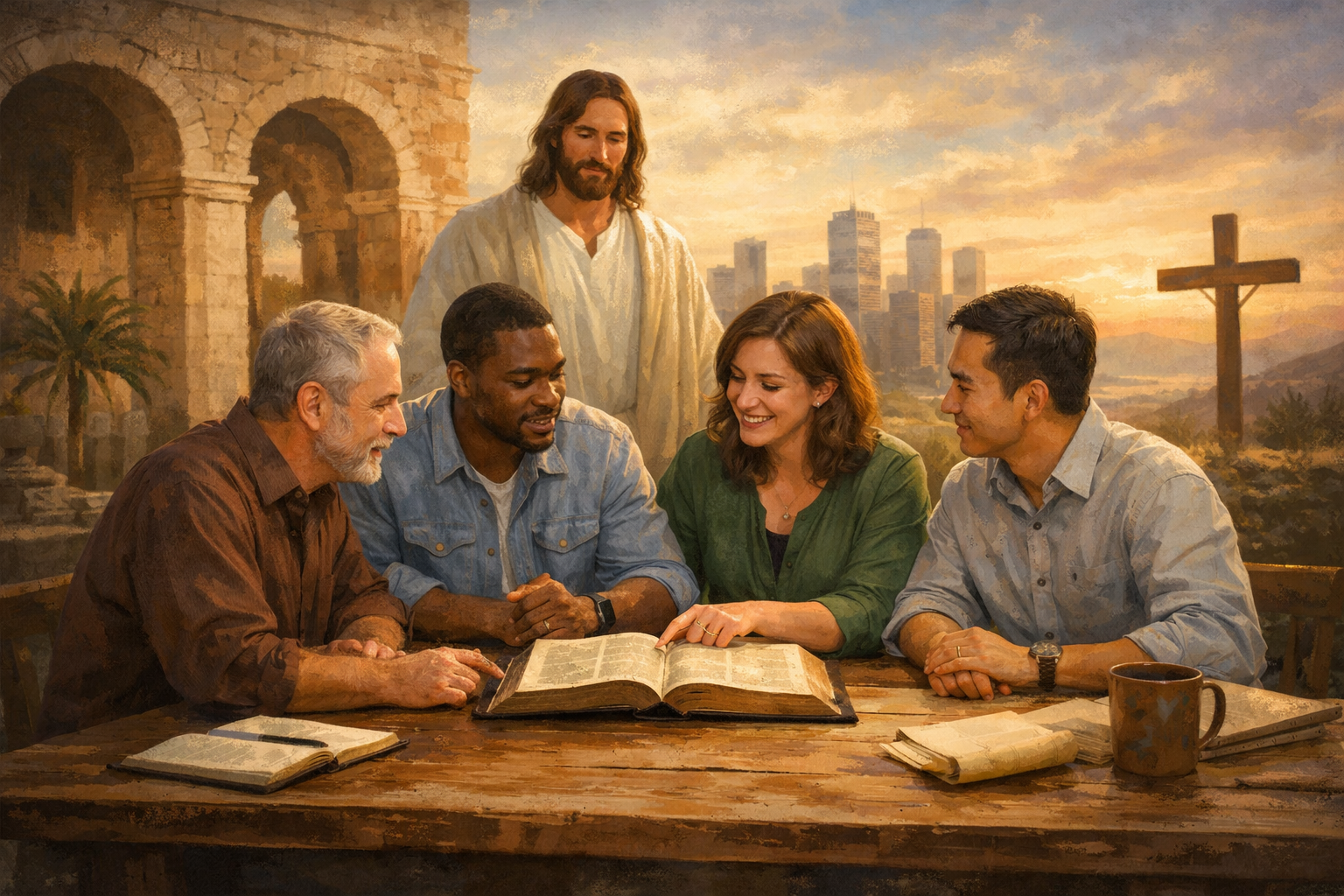
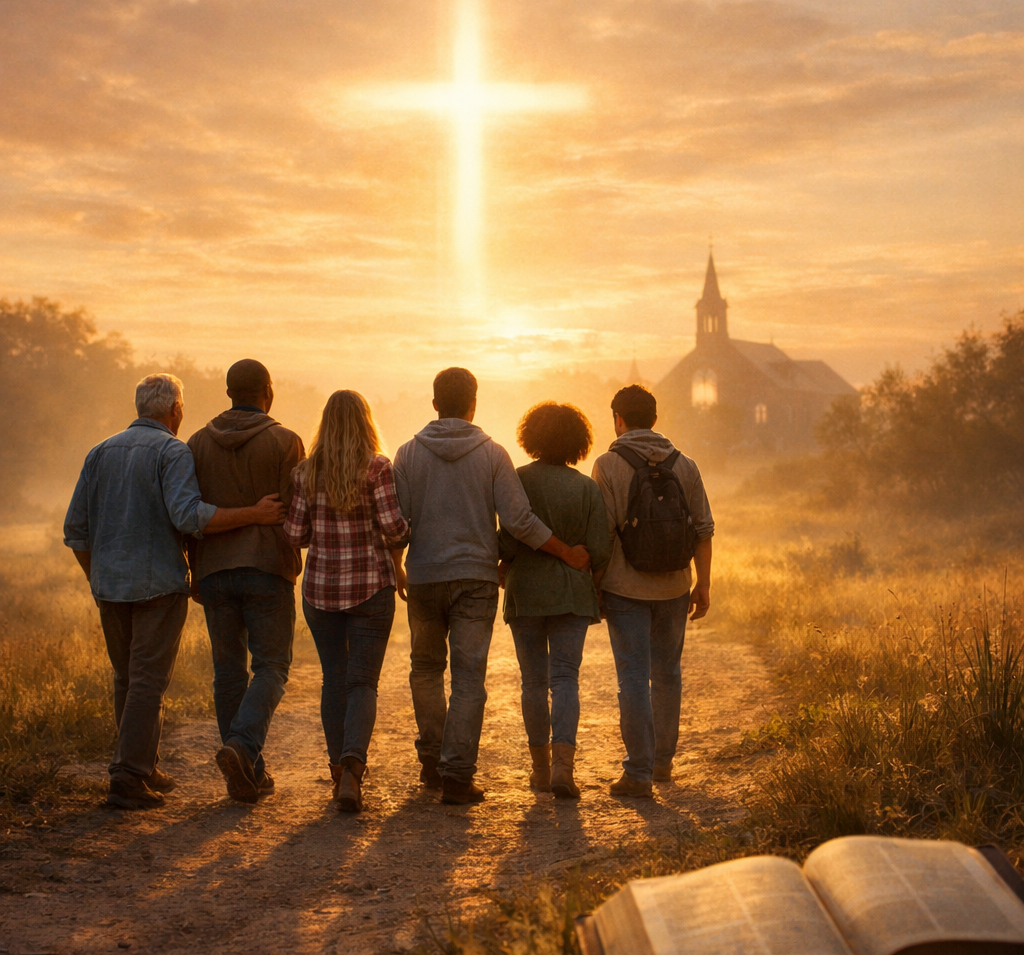
Discipleship within the Christian community is a holistic process that shapes believers in every aspect of life. It not only strengthens faith but also molds character, heals brokenness, and prepares individuals for service. Within a Christ-centered community, believers grow together through shared accountability, guidance, and the use of their spiritual gifts. This section explores five important dimensions of how the community nurtures discipleship: identity and accountability, guidance in righteous paths, utilization of spiritual gifts, healing and restoration, and preparation for ministry. Each of these aspects reveals how the church becomes a place where disciples are formed, strengthened, and equipped to continue Christ’s mission in the world.
Identity and Accountability
The sense of identity that emerges within a community also creates accountability, which is integral to discipleship. As individuals are shaped into the model of Christ, they become more aware of their responsibilities, both to themselves and to others. Bill Hull highlights the importance of accountability, noting that it enables individuals to become “sensitive” to their feelings and “accountable to words” spoken to others.[1] This sensitivity helps individuals grow spiritually while positively influencing those around them. Additionally, accountability motivates active participation in ministry, where individuals contribute to the collective mission of the church. Through the nurturing environment of a Christ-centered community, discipleship thrives, enabling individuals to find their identity, develop accountability, and grow as effective disciples of Christ.
Guides in the Righteous Paths
Discipleship is not an isolated or solitary practice but a communal journey where individuals grow together in faith. When left alone, the pursuit of spirituality can sometimes lead to self-righteousness, where individuals become disconnected from the broader mission of the church and the teachings of Christ. A Christ-centered community provides mentors and guides who help individuals walk in the proper paths, aligning their lives with God’s purpose. Bill Hull highlights the dangers of living without such guidance, describing it as a “life of waste and self-indulgence”.[2] Through mentoring and guidance, the community ensures that disciples grow in understanding and avoid the pitfalls of self-centered spirituality, ultimately pointing them toward a life committed to Christ.
This guidance shapes individuals to embody qualities such as “submission, sacrifice, and obedience,” which are essential in living a Christ-centered life.[3] A guided life not only nurtures personal growth but also equips individuals to mentor others by drawing from their conversion experiences. Such mentoring creates a cycle of discipleship where each disciple becomes an instrument for shaping others. Within the community, this dynamic process ensures that discipleship is not stagnant but continuously multiplied. By guiding individuals along righteous paths, the community plays a transformative role in discipleship, enabling believers to live lives that reflect Christ and contribute to the growth of the church.
Utilization of Spiritual Gifts
In his letter to the Romans, Paul emphasizes the importance of spiritual gifts, highlighting that they are a grace from God meant to build up the body of Christ. In Romans 12:4-8, Paul explains that each believer has different gifts, such as prophecy, teaching, and serving, which are to be used for the benefit of others within the church. These gifts enable members of the community to shape and uplift one another in their spiritual journey. The effectiveness of these gifts is enhanced when the church gathers as a community, as it is within the context of shared life and mutual support that spiritual gifts are most effectively utilized. This demonstrates how discipleship and spiritual growth are deeply tied to communal engagement.
Moreover, the proper use of spiritual gifts encourages a disciplined life, as believers are called to live in accordance with Scripture and to serve one another with humility and grace. Bill Hull notes that the disciplined use of spiritual gifts helps individuals remain focused on their spiritual commitments and lean more deeply into biblical teachings.[4] Through community involvement, believers not only understand their gifts but also learn to live out their faith in a disciplined manner, aligning their actions with God’s Word. Thus, the role of the community in discipleship is crucial, as it helps individuals grow in their spiritual gifts and live lives that reflect Christ’s example.
Healing and Restoration
Disciplining within a spiritual community offers not only guidance and growth but also the opportunity for healing and restoration from past broken relationships and shattered hopes. The community provides a safe space where individuals can find meaning and renewed hope through shared faith and mutual support. However, as Bill Hull notes, it is essential to choose godly mentors who can effectively guide individuals through their restoration process.[5] These mentors, with their spiritual wisdom and Christ-centered perspective, play a vital role in leading individuals toward wholeness. Beyond restoration, the community also contributes to maintaining spiritual health by offering consistent support, including counseling and accountability, which ensure sustained growth in discipleship.
As individuals experience healing and restoration, they become more aligned with God’s will, which transforms their lives into a testimony of selflessness and service. Hull emphasizes that restoration helps believers mature into the likeness of Christ, enabling them to live in harmony with His teachings and purpose.[6] This maturity not only benefits the individual but also strengthens the community, as restored believers often contribute to the restoration of others. The cycle of healing, restoration, and spiritual growth highlights the indispensable role of the community in discipleship-making, demonstrating that through shared faith and mutual support, believers can overcome brokenness and move forward in their journey with Christ.
Prepares for Ministry
As individuals progress through the stages of personal and communal growth within discipleship, they are equipped to be more effective in ministry. Discipleship’s ultimate goal is to help individuals recognize what God has done in their lives and empower them to share their experiences to lead others to Christ. Greg Ogden highlights the importance of inviting people into “small groups” where they are introduced to the gospel and nurtured to become faithful disciples.[7] This practice demonstrates the multiplying effect of discipleship, where those who are discipled are prepared to disciple others. The community provides a supportive environment where individuals can refine their skills, grow in faith, and gain the confidence needed to share Christ’s love with others.
This principle of preparing for ministry is exemplified by Jesus’ relationship with His twelve disciples and Paul’s mentoring of Timothy. Jesus spent years teaching, guiding, and equipping His disciples for ministry, sending them out to proclaim the gospel and continue His work after His ascension. Similarly, Paul invested in Timothy, instructing him in faith and ministry responsibilities, ensuring that Timothy would carry on the mission of making disciples. These examples highlight that discipleship is not just about personal growth but about preparing individuals for active ministry. Through the community’s support, disciples are nurtured to become leaders who continue the cycle of disciple-making, thus fulfilling the church’s mission.
Conclusion
The role of the community in discipleship-making cannot be overstated, as it serves as the cornerstone for personal growth, spiritual accountability, and ministry preparation. Throughout the discipleship journey, the community provides a sense of identity and belonging, helping individuals overcome feelings of isolation and purposelessness. By actively engaging members in roles that contribute to the church’s mission, the community ensures that discipleship is a collective effort. This shared journey enables individuals to grow in their faith, develop spiritual maturity, and align their lives with God’s plan, reinforcing the principle that discipleship is not a solitary endeavor but a shared responsibility.
Furthermore, the community serves as a guiding force that steers individuals along righteous paths. Through mentorship and shared experiences, believers gain insights into living Christ-centered lives characterized by submission, sacrifice, and obedience. This guidance helps individuals avoid the pitfalls of self-righteousness and self-indulgence, drawing them closer to God’s purpose. By nurturing individuals in their spiritual journey, the community ensures that each disciple becomes a beacon of faith, capable of mentoring and guiding others toward discipleship. In this way, the community perpetuates the cycle of spiritual growth and multiplication, reflecting the biblical model of discipleship.
Another significant aspect of community in discipleship is its role in the utilization of spiritual gifts. As Paul emphasized in Romans 12, spiritual gifts are given to believers as a means of building up the body of Christ. The community acts as a platform where these gifts can be identified, developed, and effectively employed. This process not only strengthens the church but also instills discipline and a deeper commitment to Scripture among believers. By supporting one another in the exercise of their spiritual gifts, the community enables disciples to contribute meaningfully to the mission of the church and grow in their spiritual journey.
The community also plays a vital role in offering healing and restoration, helping individuals overcome brokenness and find renewed hope. Through mentorship, counseling, and shared faith, the community becomes a sanctuary where individuals can experience spiritual restoration. As they heal, believers are better equipped to live lives of selflessness and service, reflecting Christ’s love and purpose. This healing process not only benefits the individual but also enriches the community, as restored believers often contribute to the growth and restoration of others. This cycle of healing and restoration underscores the transformative power of discipleship within a Christ-centered community.
Finally, the community equips believers for ministry, preparing them to share their faith and lead others to Christ. Through intentional discipleship, small group interactions, and mentoring, the community cultivates individuals who are confident in their faith and capable of guiding others in their spiritual journey. The examples of Jesus preparing His disciples and Paul mentoring Timothy illustrate how the community can effectively prepare believers for active ministry. By creating an environment that nurtures spiritual growth and leadership, the community ensures that discipleship is not only sustained but multiplied, fulfilling the church’s mission to make disciples of all nations.
In conclusion, the community is indispensable in the process of discipleship-making, providing identity, guidance, restoration, and preparation for ministry. It serves as a place where believers grow together, support one another, and actively participate in God’s mission. By embracing the biblical model of discipleship, the community transforms lives, strengthens faith, and perpetuates the church’s mission to make disciples who make disciples. Through shared faith, mutual accountability, and the power of God’s grace, the community becomes a living testament to the transformative power of discipleship in the body of Christ.
Reference
[1] Hull, Bill. The Complete Book of Discipleship: On Being and Making Followers of Christ. Tyndale House, 2014.
[2] Hull, The Complete Book of Discipleship, 159.
[3] Hull, The Complete Book of Discipleship.
[4] Hull, The Complete Book of Discipleship.
[5] Hull, The Complete Book of Discipleship.
[6] Hull, The Complete Book of Discipleship.
[7] Ogden, Greg. Transforming Discipleship. InterVarsity Press, 2016.