
Mongolia is one of the coldest countries in the world. During winter, temperatures can drop to extreme levels—sometimes as low as –40°C to –43°C, especially in January. Living in such conditions is not easy, and survival itself can become challenging.
Because the entire country experiences long and harsh winters, people are constantly exposed to cold. It is easy to lose body heat, and the cold weather often makes people feel tired, slow, and less productive. To cope with this, Mongolians take many precautions in their daily lives.
When they go outside, they wear thick jackets, heavy shoes, and warm layers to protect themselves. Inside their homes, heating systems are always in use. Whether in traditional gers or modern apartments, keeping indoor spaces warm is essential for daily life in Mongolia.
But clothing and heaters alone are not enough. Health and energy also play a major role in surviving such cold weather.
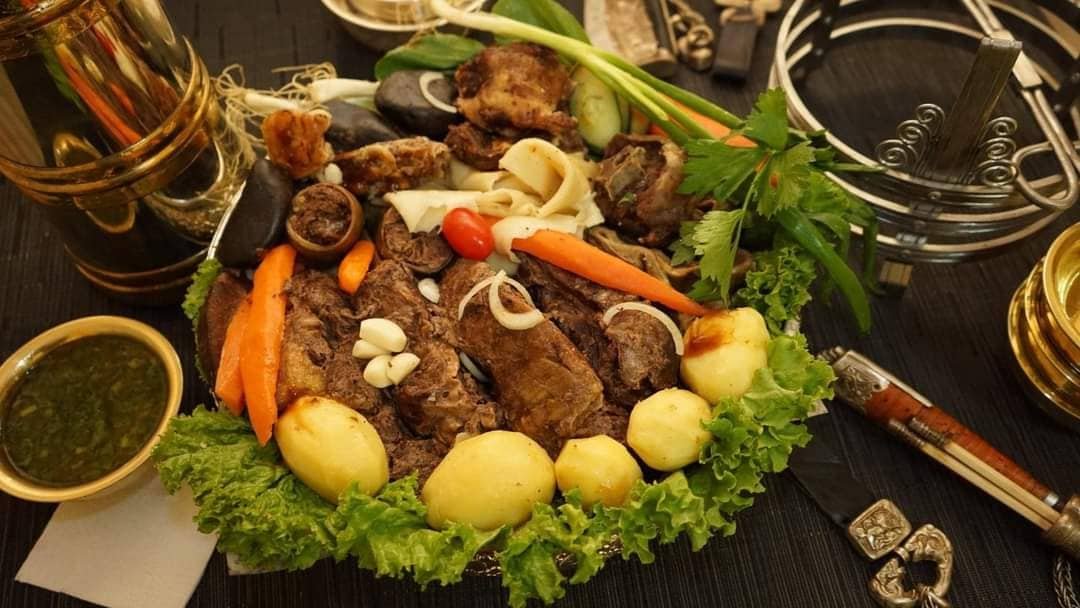
Cold temperatures can make people feel lazy and drained, which affects their productivity. This is where food—especially meat—becomes very important. During winter, Mongolians tend to prefer meat more than any other type of food.
This does not mean that Mongolians eat meat only in winter or do not eat it during other seasons. However, their consumption of meat increases significantly in winter, and there are clear reasons for this.
Eating meat provides energy, helps people stay active, and reduces the feeling of laziness caused by cold weather. Meat is rich in protein and calories, which are essential for maintaining strength and health in extreme climates. Most importantly, meat helps the body stay warm from the inside, which is crucial during long and freezing winters.
Because of these benefits, meat becomes one of the best dietary choices for winter survival in Mongolia.
So, if you ever travel to Mongolia during winter, do not be surprised to see people eating meat frequently. If you are a tourist, a visitor, or someone planning to live there, do not forget to include meat in your winter diet. It is not just a cultural habit—it is one of the most effective ways to stay warm, healthy, and energetic.
Mongolian meat is also known for its quality. With a population of around 3.5 million people and a very large number of livestock, the meat is considered pure and natural. This makes it even more suitable for sustaining life in such a harsh environment.
In places where winter is severe, survival depends on understanding the environment. By looking at Mongolians’ preference for meat in winter, we can clearly see how food plays a vital role in adapting to extreme cold and maintaining a healthy life.